Commercial Waste in Tring for reliable business waste removal
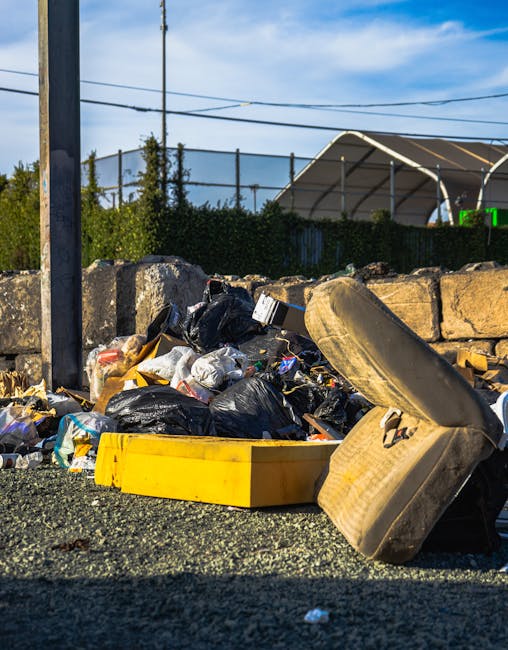
Commercial waste in Tring needs a service that is practical, tidy and suited to the way different premises generate rubbish. We handle business waste removal for offices, shops, workshops, hospitality sites and other commercial settings, with collections planned around the materials on site and the access available. The aim is straightforward: clear waste responsibly, separate reusable and recyclable material where possible, and leave the area ready for normal use again.
For many businesses, the key decision is not just what is being removed, but how it will be handled once it leaves the premises. We provide a service that can cover mixed general waste, bulky items, office clearances and other non-hazardous commercial loads. Our approach is built around clarity, so you can arrange the right level of removal without trying to fit your waste into a one-size-fits-all solution. If you already know what needs moving, that makes planning easier, but we can also work from a simple description of the items.
When you are ready to move forward, it is sensible to request a quotation based on the actual waste, access and collection details. If you want to compare options first, take a look at the pricing and quotes page for more detail on how requests are handled. You can also start with a plain-text enquiry if that is easier, then decide on the next step once the job has been described properly.
Business waste removal for everyday commercial clearances
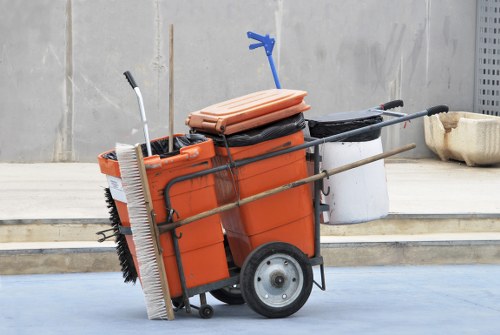
Every workplace produces waste differently. A retail unit may need regular removal of packaging, broken fixtures and end-of-line stock, while an office may be dealing with paper, furniture, filing systems and general clutter after a reorganisation. Our business waste removal service is intended to make those clearances manageable, with attention paid to sorting and the best route for disposal rather than simply loading everything together. That matters when the aim is to keep the premises usable while waste is removed in a controlled way.
Commercial waste is often easier to deal with when items are separated before removal, especially where some materials can be diverted into recycling streams. If you are unsure what counts as business waste in practice, the what can go in a skip page gives a useful frame of reference for common materials and restrictions. Although our service is not a skip hire product, the same basic principle applies: knowing what the waste includes helps avoid delays and means the collection can be planned around the actual load rather than guesses.
What a commercial clearance may include
Depending on the premises, a commercial clearance can involve one type of waste or several at once. Typical work may include packaging, shelving, dismantled furniture, redundant fixtures, office contents and general non-hazardous rubbish from a refit or tidy-up. We can also remove mixed loads where different item types have accumulated over time. If the waste is awkward, heavy or spread across several rooms, the job can still be organised in a sensible sequence so that the space is cleared without unnecessary handling.
Office waste removal and confidential materials
Office waste removal is rarely just about paper bags and filing trays. Many offices generate old desks, chairs, filing cabinets, monitors, boxed stationery, archive material and general clutter from storage rooms or unused areas. Our office waste removal service is intended for those situations where a workplace needs to be cleared, refreshed or partially reconfigured. The work can be particularly useful when items have built up in meeting rooms, back offices or shared storage spaces and need a proper sort-out rather than a hurried move.
Where paper records or sensitive files are involved, the handling of waste matters as much as the removal itself. Our confidential shredding page explains a related service for secure destruction of sensitive paperwork, and it can be a useful option where documents should not simply be mixed with general waste. For other office items, such as furniture and IT-related clutter, a general office clearance can cover the practical removal side while keeping the process more orderly than an improvised clear-out.
To make an office job easier to organise, it helps to note whether items are loose, bagged or still in cupboards and drawers, and whether there are narrow stairs, lifts or loading restrictions. These are not forms or formalities; they are the kind of details that help a quotation reflect the real work. If you are preparing an enquiry, the simplest approach is to list the main item types, the floor level and any access limits, then decide whether the clearance needs to be completed all at once or in stages.
Furniture disposal and furniture clearance for commercial premises
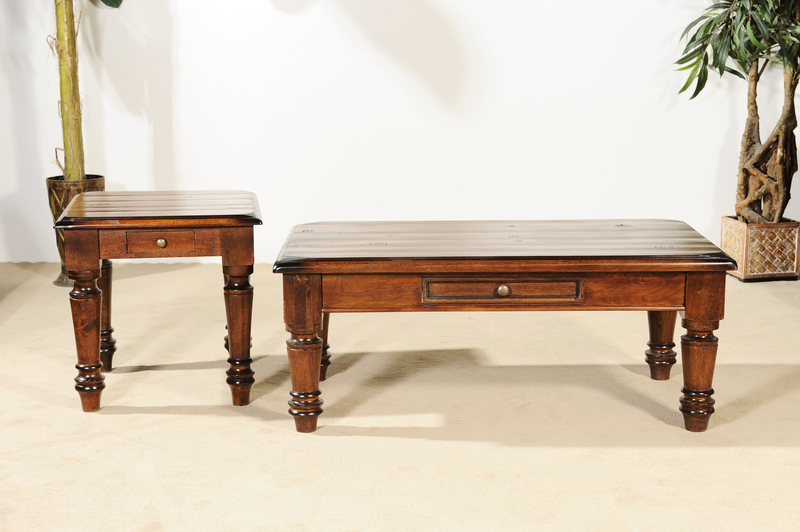
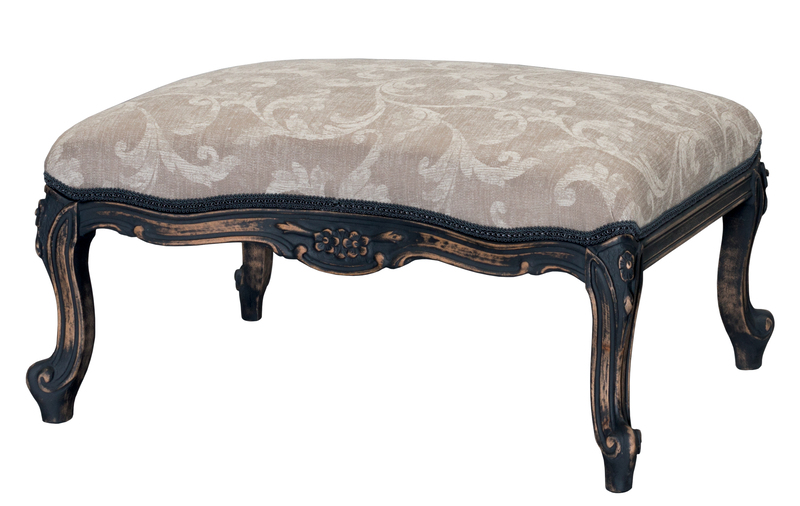
Furniture disposal is often one of the most visible parts of a commercial waste job. Office desks, reception seating, storage units, conference tables and meeting-room furniture can all take up significant space once they are no longer needed. We provide furniture disposal as part of wider business waste removal, as well as furniture clearance where several items need to be taken from one or more rooms. The work is particularly useful during refurbishments, tenancy changes and office reorganisations.
Some furniture can be removed intact, while other items need partial dismantling before they can be taken away safely. That distinction can affect the time required and the way the job is carried out, especially where corridors, stairwells or shared entrances are involved. Our furniture clearance page covers the main service area for this kind of work, and it is a practical option when the aim is to clear bulky items without interrupting the rest of the premises any more than necessary.
Furniture that has reached the end of its useful life is often awkward to store even for a short time, so the collection needs to be planned with access in mind. Measuring doorways or noting restricted routes can be helpful, but the most important step is to describe the items accurately. That way, the collection can be matched to the furniture involved, whether the load is a few pieces from one office or a larger bulk clearance across several rooms.
Kitchen, storage and specialist item removal
Commercial premises often build up items that do not fit neatly into a standard tidy-up. Fridges, small appliances, storage cabinets, old display units and mixed equipment can all become part of a larger waste job. Our fridge and appliance removal service helps when electrical items need separating from ordinary rubbish, while general commercial waste removal can take the surrounding clutter at the same time. This is often useful in break rooms, staff kitchens, back-of-house areas and storage spaces where several different item types have accumulated.
Some appliances and specialist items need extra care because they are heavier, contain components that should be separated, or need to be routed into the right waste stream. That is one reason it is worth identifying these items in advance rather than treating them as generic rubbish. If your premises also include older fixtures or dated equipment, it can be sensible to group the work into one clear clearance plan so the removal is smoother and the waste is handled correctly.
Choosing the right disposal route
Not every item should be dealt with in the same way. A practical commercial clearance distinguishes between general rubbish, recyclable material, bulky furniture and items that need a dedicated disposal route. Our fridge and appliance removal page is helpful if white goods or electrical appliances are part of the job, while mixed waste can be handled alongside them where appropriate. If you are sorting through a storage room or kitchen area, it often helps to separate what is staying, what is being reused and what is ready for removal before the collection takes place.
Garage, loft and outbuilding clearances for business properties
Commercial sites do not always revolve around offices and shop floors. Garages, loft spaces, plant rooms and outbuildings often become storage points for old stock, packaging, broken equipment and forgotten items. Our garage clearance and loft clearance services are intended for those less visible spaces where waste builds up out of the way until the area needs to be reclaimed. This can be useful for landlords, property managers and businesses that keep surplus items on site for later sorting.
These spaces often contain a mix of lightweight and awkward objects, which is why a structured clearance is usually better than trying to move everything in a hurry. The garage clearance page and loft clearance page describe the relevant service areas, and they are useful references when the job includes low ceilings, restricted access or items that have been stored for a long time. A careful approach helps avoid damage to the building and makes it easier to separate what should be kept from what should be taken away.
When waste has been left in a storage area for some time, the main challenge is often not the quantity but the mixture of items. Boxes, broken tools, packaging, redundant fixtures and miscellaneous household-style rubbish can all end up together. A well-planned clearance lets those items be assessed as they are removed, which is especially useful if part of the load needs recycling or if there are heavier pieces hidden under lighter material.
Builders’ waste and light refurbishment clearances
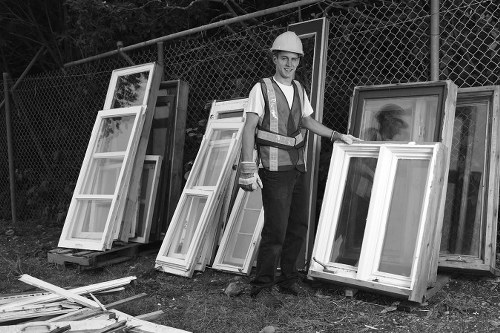
Commercial waste jobs often overlap with refurbishment work. A unit may need clearing after decorating, minor building changes or the removal of old internal fittings. Our builders’ waste clearance service is aimed at the type of non-hazardous debris that can follow this kind of work, including packaging, offcuts, old fixtures and general site clutter. It is especially helpful when a business needs the area cleared before reopening, handing back a lease or bringing a room back into normal use.
Refurbishment waste is usually mixed, so it helps to decide early whether the job is mainly removal of debris or a more complete tidy-up. The builders’ waste clearance page gives a useful route for these situations, and it can sit alongside other commercial removals if the project involves furniture, fixtures and leftover packaging. A single collection plan can often reduce disruption compared with arranging separate visits for each material type.
- Packaging, protective materials and offcuts from fit-out work
- Old fixtures, shelving and internal fittings
- Mixed non-hazardous debris from small refurbishment jobs
- Combined loads where commercial waste and clearance items are together
If your refurbishment has left several different waste types in one area, the best approach is to describe them together rather than trying to split the enquiry into separate messages. That gives a clearer picture of the load and makes it easier to work out whether it is a simple clearance, a builders’ waste job or a mixed commercial removal.
Hazardous waste and items needing special handling
Some commercial waste cannot be dealt with in the same way as ordinary rubbish. Chemicals, contaminated material and other hazardous items need specific handling and should be identified before any collection is arranged. Our hazardous waste disposal page is the relevant place to look when the load may include items that require extra care or a separate process. This is important because mixing problematic material with normal business waste can affect how the whole job has to be managed.
It is better to name any suspect items early than to leave them out of the description. That does not mean every unusual object is hazardous, but it does mean a clearer assessment can be made. If the waste contains a small number of special items alongside general rubbish, the service may still be workable, but those items need to be identified so they are treated properly. Safety and segregation are not extras; they are part of responsible removal.
For businesses that deal with a range of waste types, the question is often how to separate normal clearance work from specialist material. The hazardous waste disposal page is the place to check when that distinction matters. Where appropriate, we can still help with the surrounding non-hazardous items through our broader commercial waste service, but the specialist material should always be treated as its own category rather than hidden inside a general description.
How to prepare a commercial waste quotation
A useful quotation starts with practical information. The most helpful details are the type of waste, the approximate volume, the number of areas involved and anything that affects access, such as stairs, loading restrictions or limited parking. Photographs can also help, especially if the items are bulky, stacked or spread across several rooms. If you do not have photographs, a short written list is still enough to begin with, provided it describes the main materials clearly.
There is no need to overcomplicate the enquiry. A brief note about whether the job is one-off or part of a larger clearance is usually enough to begin a discussion. If the waste includes office furniture, appliances or mixed general rubbish, mention those items in the same message so the quotation can reflect the actual work. If you are comparing routes, you can also review the contact us page and then send the details in the format that is easiest for you.
Information that helps us quote accurately
Useful details usually include the property type, the floor level, the access route and the kind of waste to be removed. If the load is in a back office, upstairs room or locked storage area, say so. If the clearance needs to happen outside normal business hours, mention that too. These points do not create a commitment; they simply make it easier to shape a quotation around the reality of the job rather than a rough assumption.
Recycling and responsible disposal of commercial waste
Commercial waste should not be thought of only as something to be taken away. A proper removal service also considers which materials can be recycled, which can be reused and which must go to general disposal routes. Our recycling and sustainability page sets out the broader approach, and it is relevant whenever a business wants its waste managed with an eye to sorting rather than indiscriminate loading. That matters for offices, shops and storage spaces alike, because many clearances contain a mixture of recyclable and non-recyclable materials.
Recycling is most effective when the waste is described accurately at the start. Cardboard, metal, wood, plastics, furniture and electrical items may all need different treatment, even if they are being removed in one visit. The recycling and sustainability page is useful background if you want to understand the general direction of the service, while the collection itself is arranged around the materials actually present on site. This helps keep the process practical and avoids unnecessary handling later.
Businesses often appreciate a removal service that treats disposal as more than a quick load-and-go exercise. Sorting items properly can reduce the amount of material going into a general waste stream and makes it easier to decide what should be kept separate for future use. Responsible disposal begins with accurate information, so the best results usually come from a clear description of what needs clearing and what should stay where it is.
About Tring
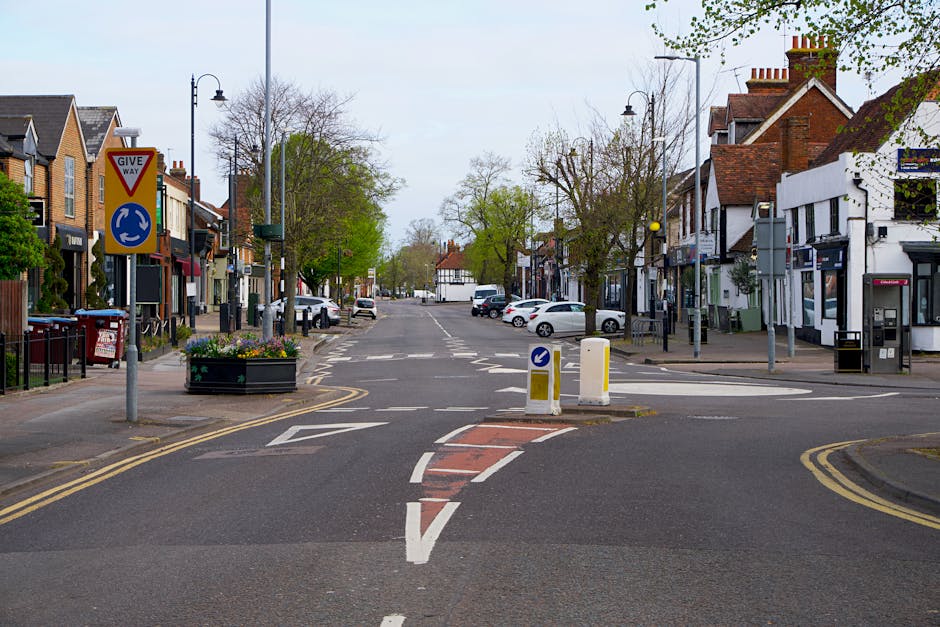
Tring is a market town in Hertfordshire, positioned near the Chiltern Hills and the western edge of the county’s more rural landscape. Its history is visible in the older town centre streets, the parish church and the long-standing pattern of development around the high street and market place. The town lies close to the A41 corridor, which has shaped travel connections for many years, while the railway station sits a little to the north-east of the centre and links the town to London and the wider region. The surrounding countryside is closely tied to the character of the place, with the Chilterns providing a distinctive backdrop that is felt in the views from the edges of town and the routes leading out towards local villages. Tring is also associated with the Natural History Museum’s Tring collection, originally assembled by Walter Rothschild at Tring Park, which adds an unusual cultural dimension to the town’s identity. The park itself remains one of the area’s notable historic landscapes, and the town’s built environment includes a mix of older brick and flint buildings, later residential streets and commercial premises that reflect different phases of growth. The result is a settlement that combines a compact centre, strong heritage associations and easy access to open countryside, with a character that is both practical and rooted in its local history.
Commercial waste services for ongoing and one-off needs
Not every business waste issue is a one-off clear-out. Some customers need help when premises are being reconfigured, while others want an occasional clearance after stock changes, a renovation or a tenancy handover. Our commercial waste service is flexible enough to cover these different situations, with the emphasis always on removing the waste in a way that suits the site and the items involved. That may mean taking a small mixed load, handling bulky objects from several rooms or clearing a more substantial pile after a period of accumulation.
For business owners, landlords and managing agents, the main benefit is having one point of contact for the removal itself rather than trying to coordinate the disposal of every item separately. If you are weighing up what to do next, a brief plan is often enough: list the waste types, decide which areas are involved and make clear whether there are any access limits. When that is done, it is much easier to request a quotation and move the job forward without confusion.
To finish, keep the description practical and specific, and ask for the type of collection that matches the waste in front of you. If you need a broader business clearance, a specialist item removal or a mixed load taken away, we can help you shape the request. Send a straightforward enquiry today and, if you already know the main items, request a quotation now.