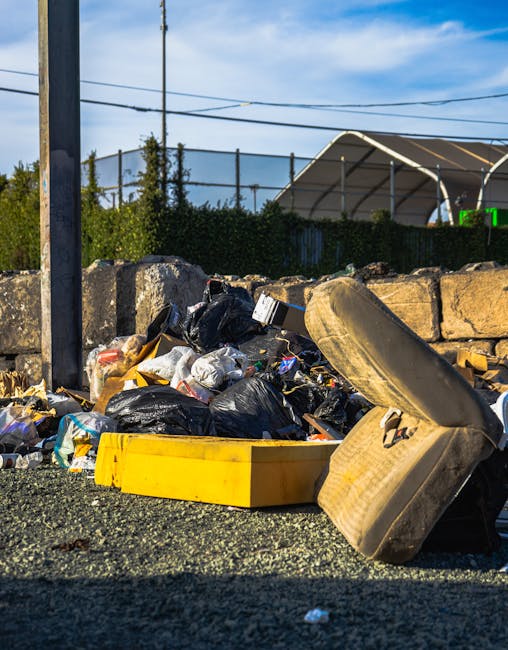
Station Road Tring bulky rubbish clearance tips

If you are staring at a pile of unwanted furniture, broken appliances, old boxes, garden cuttings or renovation leftovers, you already know the awkward bit is not just the lifting. It is the planning. Good Station Road Tring bulky rubbish clearance tips can save you time, stop avoidable damage, and help you clear space without the whole job turning into a Saturday-eating headache. To be fair, most people only realise this once they have moved one heavy item and thought, "Right, this is going to take longer than I expected."
This guide walks through the practical side of bulky rubbish clearance in a Station Road setting: how to sort what you have, what to avoid, how to protect access routes, when a professional service makes sense, and how to keep the process tidy and compliant. If you are clearing a flat, a house, a garage, or a small business unit, you will find something useful here.
Why Station Road Tring bulky rubbish clearance tips Matters
Bulky waste is different from everyday bin rubbish. A mattress, sofa, wardrobe, broken freezer, or a stack of builder's debris needs more thought because of size, weight, access, and disposal rules. On a road like Station Road in Tring, the practical issue is often access: tight front paths, shared entrances, parked cars, neighbours passing through, and limited room to stage items outside. If you plan badly, a simple clearance can become messy fast.
That is why a little preparation matters. Clear guidance helps you avoid damage to walls and floors, prevents items from being left out longer than necessary, and reduces the risk of sorting everything twice. It also means you are more likely to recycle what can be reused rather than sending everything to disposal by default. A small bit of structure goes a long way.
There is another angle too: bulky rubbish often includes mixed materials. That old chest of drawers may have metal runners, chipboard, textiles, and fixings all together. A fridge may contain parts that need special handling. Garden clearance can include soil, branches, pots, and treated timber. Knowing what is in the load helps you make a cleaner, safer decision. If you are also dealing with household items, it can be worth looking at related services such as house clearance or furniture disposal when the job is more than a quick tidy-up.
How Station Road Tring bulky rubbish clearance tips Works
The basic process is straightforward, even if the details vary from property to property. Start by identifying what needs to go. Then separate reusable items, recyclable materials, hazardous items, and pure waste. After that, decide whether you are moving items yourself, hiring a van, using a skip, or booking a professional collection. Simple on paper, yes. Slightly more fiddly in a hallway with a bulky sofa and a tight corner? Absolutely.
In practice, good clearance work follows a sequence:
- Assess the load - count items, estimate weight, and note anything awkward such as glass, sharp edges, or wet materials.
- Check access - stairs, narrow doors, shared landings, driveway space, and parking nearby all affect the job.
- Separate risky items - paint, chemicals, fridges, mattresses, electronics, and contaminated waste may need special handling.
- Protect the route - use covers, gloves, and a clear path to avoid scratches and slips.
- Choose the right removal method - collection, skip, man-and-van style removal, or a mixed waste service.
- Load efficiently - put heavy items first, fill voids, and keep unstable items from shifting.
For many people, the best option is a mixed approach. For example, a garage clearance may include a sofa, an old appliance, a few bags of garden waste, and some DIY offcuts. In that case, one service can often be easier than several separate trips. Services such as garage clearance, garden clearance, and builders waste clearance exist for exactly those mixed, slightly annoying jobs where the rubbish does not fit one neat category.
Key Benefits and Practical Advantages
The main benefit is obvious: you get your space back. But there is a bit more to it than that. A well-managed bulky rubbish clearance reduces stress, keeps the job safer, and makes the end result look much better. You are not left with half-moved items balanced near a doorway or a pile of debris that keeps getting walked around for three days. That kind of thing quietly gets on your nerves.
- Faster turnaround - planning the load and access means less back-and-forth.
- Less physical strain - lifting correctly and reducing unnecessary handling matters.
- Cleaner result - proper sorting and loading usually leaves the area tidier.
- Better recycling outcomes - separating reusable or recyclable material can reduce waste.
- Fewer surprises - you are less likely to discover a problem item at the last minute.
There is also a money angle. The more clearly you know what needs removing, the easier it is to compare options and avoid paying for wasted capacity. If you want a better sense of what pricing structures can look like, the page on pricing and quotes is a useful starting point for understanding how clearances are usually assessed.
Expert summary: The cheapest-looking clearance is not always the best value. A tidy, properly sorted collection often beats a rushed job that causes damage, misses recyclable material, or leaves you with a second round of work.
Who This Is For and When It Makes Sense
This advice is useful for homeowners, tenants, landlords, letting agents, small businesses, and anyone dealing with bulky items that are too awkward for normal waste handling. It is especially relevant if you are clearing a property before a move, dealing with the aftermath of a renovation, or emptying out a room that has quietly become a storage zone. We have all got one, or know someone who does.
It makes sense to use a structured clearance approach when:
- the items are heavy, awkward, or fragile;
- you have limited parking or access near Station Road;
- there are multiple item types mixed together;
- you need the work done quickly;
- you want to avoid multiple trips to a disposal facility;
- you are sorting out a property sale, tenancy change, or business move;
- you need something removed that will not fit standard bin collections.
If the job is mostly household clutter, a broader home clearance or flat clearance may fit better. If it is office furniture, printers, old desks, or archive material, an office clearance is usually the more sensible route. Matching the service to the waste really does matter.
Step-by-Step Guidance
If you want the process to run smoothly, use a calm, methodical approach. You do not need a complicated system. You just need one that stops you from carrying the wrong thing first and the right thing last, which happens more often than people admit.
1) Walk the job before moving anything
Look at every item and ask: can it be reused, repaired, recycled, or must it be disposed of? Note anything that may need two people, a sack trolley, or special care. If an item is damp, sharp, or unstable, flag it now rather than halfway down the stairs.
2) Clear a staging area
Choose one spot where items can be placed before collection. Keep it away from door swings and walking routes. On a narrow road or shared property, that small staging decision can prevent clutter from spreading into the wrong places.
3) Sort by type
Put furniture together, appliances together, green waste together, and mixed rubble together. This makes the load easier to handle and helps with recycling. If you are disposing of a sofa or bed, it may be worth reading the dedicated guidance for mattress and sofa disposal so you do not treat upholstered items as if they were just generic rubbish.
4) Remove hazards first
Anything sharp, leaking, or potentially toxic should be isolated. Paint tins, old chemicals, broken glass, and electrical items need careful judgement. If a load includes items that could be classed as hazardous, it is safer to use a route designed for that kind of waste, such as hazardous waste disposal.
5) Use safe lifting habits
Keep your back straight, bend your knees, and avoid twisting while carrying. If something feels too heavy or awkward, it probably is. Not every item needs heroics. Truth be told, most clearance problems start when someone tries to "just move it quickly" and ends up bouncing off a doorway.
6) Load in the right order
Put the heaviest and flattest items down first. Then stack lighter pieces around them. Fill gaps with smaller loose waste so the load is stable. This is one of those quiet little skills that makes a big difference.
7) Do a final sweep
Check corners, skirting boards, shed shelves, under tables, and behind doors. Bulky clearances often leave a few bits behind because they do not look important in the moment. One last walk-through catches the stray stuff.
Expert Tips for Better Results
Here is where the job gets easier. These are the small details that experienced clearance teams tend to care about because they prevent chaos later. Nothing glamorous, but extremely useful.
- Measure doorways before moving large items. A sofa that looks manageable in the room may suddenly become a no-go at the stair turn.
- Take photos of awkward items. Even quick phone photos can help you judge size, weight, and handling needs.
- Strip down items where possible. Remove drawers, detachable legs, shelves, or doors if it makes transport safer.
- Keep wet waste separate. Soaked cardboard and damp garden waste are heavier than they look, and they can make a load sloppier.
- Plan for parking and timing. Early morning or school-run times can change how easy the collection is near Station Road.
- Protect surfaces. Blankets, cardboard sheets, and floor coverings help keep hallways and thresholds intact.
If your clearance involves damaged white goods, consider whether appliance handling is part of the job. A specialist option such as fridge and appliance removal is often better than trying to squeeze an old freezer into a general waste pile and hoping for the best. That usually ends in a sigh, a bit of mess, and extra effort.
One practical tip that sounds obvious but gets missed constantly: label what is staying. It can be as simple as masking tape on items or a pen mark on boxes. Especially in a rushed house clearance, "keep" and "go" can blur when there are three people moving things at once.
Common Mistakes to Avoid
Most bulky rubbish problems are avoidable. They are rarely dramatic. More often they are caused by not sorting properly, underestimating the load, or leaving special items until the end because they feel inconvenient. That last one is a classic.
- Mixing everything together. It makes sorting, recycling, and safe handling harder.
- Forgetting about access. A driveway, gate, shared passage, or narrow staircase can change the whole plan.
- Ignoring special waste. Fridges, chemicals, and some electrical items should not be treated like ordinary rubbish.
- Leaving items outside too early. It can create clutter, obstruction, or weather damage.
- Assuming one person can do everything. Heavy lifting is where injuries happen.
- Choosing the wrong disposal route. A skip, a collection, and a clearance service all suit different situations.
Another common slip: people overestimate what will fit into a small skip or, equally, underestimate how much room broken furniture takes once it is separated. If you are comparing methods, it helps to read what can go in a skip before committing. That page can save you from awkward surprises.
And yes, it is a bit frustrating when the last item turns out to be the one that needed the most care. Happens all the time.
Tools, Resources and Recommendations
You do not need a warehouse of equipment to handle bulky rubbish well. A few sensible tools and simple habits are usually enough. The point is not to make the job fancy; it is to make it safe and efficient.
| Tool or resource | Why it helps | Best used for |
|---|---|---|
| Work gloves | Improves grip and reduces scrapes | Furniture, rubble, sharp edges |
| Dolly or sack trolley | Reduces manual lifting | Heavy boxes, appliances, stacked items |
| Blankets or floor covers | Protects walls and flooring | Stairways, hallways, entrance routes |
| Strong tape and labels | Keeps keep-and-go items organised | House clearances, office moves, flat clearances |
| Clear bags or tubs | Separates smaller loose waste | Mixed clutter, cupboards, lofts, garages |
For people wanting to avoid doing everything themselves, a professional waste clearance service is often the most practical option. If you are dealing with mixed waste from a refurbishment or refresh, waste removal can be a more flexible fit than trying to categorise every item one by one. The same goes for room-by-room jobs like loft clearance or furniture clearance.
A small but useful recommendation: keep a simple note of what is being removed, especially if the clearance is tied to a tenancy change, probate work, or business premises handover. A basic written list is often enough. No drama, just clarity.
Law, Compliance, Standards, or Best Practice
For bulky rubbish clearance in the UK, the safe rule is simple: dispose of waste responsibly and make sure it is handled by a reputable, properly operating service if you are not doing it yourself. If a business collects your waste, you should expect lawful handling, sensible transport, and appropriate documentation where relevant. That is standard practice, not a bonus feature.
For householders, the most important practical point is to avoid fly-tipping risk. Handing waste to an unknown operator because the price sounds very low is rarely worth it. If you cannot explain where your rubbish is going, that is a warning sign. It may sound blunt, but it is true.
For items like old refrigeration units, upholstered furniture, chemicals, or materials from building works, best practice is to identify them early and separate them from general waste. This is especially important if the clearance includes items from a renovation or garden project where the waste stream is mixed. If you are unsure, ask before loading. That one question can save a lot of trouble later.
Reputable providers also tend to pay attention to safety and insurance. If that matters to you, it should, have a look at the information on insurance and safety and the company's health and safety policy. These pages are useful because they show how seriously a service treats the practical risks involved in handling bulky items.
Best practice also includes recycling wherever possible. A clearance is not just about "getting rid" of stuff. It is about sending each item to the right next step, whether that is reuse, material recovery, or responsible disposal. That is the more grown-up version of the job, really.
Options, Methods, or Comparison Table
Choosing the right method depends on volume, access, urgency, and what kind of waste you have. There is no universal answer, which is annoying but honest. Here is a simple comparison that helps narrow things down.
| Method | Best for | Pros | Watch-outs |
|---|---|---|---|
| Self-haul | Small loads and repeated trips | Direct control, flexible timing | Time-consuming, lifting strain, vehicle space limits |
| Skip hire | Renovation waste, ongoing loading | Convenient for mixed heavy waste | Space needed, waste restrictions, permit considerations |
| Man-and-van style clearance | Bulky household items and mixed loads | Fast, labour included, less lifting for you | Needs good access and accurate item description |
| Specialist disposal | Appliances, mattresses, hazardous items | Better handling of specific waste types | May need separate booking or item prep |
For many readers, the middle two options are the sweet spot. A general clearance service can handle the labour and sorting, while a skip can make sense if you are doing repeated work over a few days. If you are uncertain, compare the nature of the waste first, not just the price. That tends to lead to better decisions.
Case Study or Real-World Example
A typical Station Road scenario might look like this: a small family in a first-floor flat needs to clear a sofa bed, an old wardrobe, two mattresses, a broken television, and a few bags of attic clutter before a move. The hallway is narrow, the stairs turn sharply, and there is limited outside space. Nothing extreme, but fiddly enough to matter.
In that kind of job, the smart approach is to separate the items before moving them. The mattresses are grouped together, the electronics kept apart, and the wardrobe is checked for removable shelves and doors. The route is cleared first so nobody has to step around loose shoes, boxes, or coat stands while carrying awkward loads. One person keeps watch at the doorway, which sounds small, but it stops a lot of bruised knuckles.
If the old television is broken and the mattresses are heavily worn, they may not suit the same disposal route as the furniture. The sofa bed may be suitable for a furniture-focused clearance, while the broken appliance may need a separate handling approach. That is where services such as mattress and sofa disposal and furniture clearance can fit neatly into the plan.
The result? Fewer trips, less mess, and a much calmer final hour before keys are handed over. It is not glamorous. But it works.
Practical Checklist
Use this quick checklist before any bulky rubbish clearance. It keeps the job grounded and helps you spot problems early.
- List every item to be removed.
- Separate reusable, recyclable, and special waste.
- Check whether any item is heavy, sharp, or leaking.
- Measure doors, stairs, and access points.
- Clear a safe staging area.
- Protect flooring and walls if needed.
- Confirm parking or loading access.
- Decide whether you need a skip, collection, or specialist disposal.
- Keep keep-items clearly marked.
- Do a final sweep of cupboards, shelves, and corners.
Quick takeaway: the best bulky waste clearance is the one you have thought through before lifting starts. That is usually the difference between a clean finish and a half-finished job that hangs over you all weekend.
Get a free quote today and see how much you can save.
Conclusion
Good Station Road Tring bulky rubbish clearance is mostly about planning, sorting, and choosing the right method for the job in front of you. The more carefully you prepare, the easier the clearance becomes. You do not need to overcomplicate it. Just take the load seriously, protect the access route, and separate awkward items before they become a problem.
Whether you are clearing one bulky item or an entire mix of household and garden waste, the same principles apply: think ahead, keep things safe, and work in a clean sequence. A little discipline now saves a lot of hassle later, and honestly, that is usually the best kind of win.
And once the space is clear, the room feels different. Quieter somehow. Better. That is the bit people remember.
Frequently Asked Questions
What counts as bulky rubbish in Tring?
Bulky rubbish usually means items that are too large, heavy, or awkward for normal bin collection. Common examples include sofas, mattresses, wardrobes, appliances, garden waste, and renovation debris.
Can I leave bulky rubbish outside on Station Road?
Only if it is arranged properly and won't create an obstruction or safety issue. It is usually better to keep items inside or in a controlled staging area until collection day.
Is it better to use a skip or a clearance service?
It depends on the job. A skip suits ongoing loading or DIY projects, while a clearance service is often better for large, heavy, or mixed items that need lifting and sorting.
What should I do with old furniture before disposal?
Remove loose parts where possible, check for reusable pieces, and keep different item types together. If you are disposing of sofas or beds, specialist handling may be the better route.
How do I handle fridges or freezers safely?
Fridges and freezers should be handled as appliances, not ordinary waste. Keep them upright if possible and use an appliance-specific service or a waste provider that can manage them correctly.
Are mattresses accepted with general bulky waste?
Sometimes, but not always in the same stream as other furniture. Mattresses can be awkward to store and transport, so it is often best to check how they will be handled before collection.
What is the safest way to move heavy items?
Use two people where needed, keep a clear route, bend at the knees, and avoid twisting while carrying. If an item feels unstable or too heavy, stop and reassess.
How can I reduce the cost of clearance?
Sort waste before collection, separate items that can be reused, and be accurate about the volume and type of rubbish. Clear access also helps keep the job efficient.
Do I need to sort recycling before a clearance?
It is a good idea, yes. Sorting recyclable material can improve the efficiency of the clearance and support better waste handling overall.
What if my clearance includes hazardous items?
Separate them immediately and do not mix them with general waste. Hazardous items need different handling, so it is safer to arrange the correct disposal route from the start.
Can I combine garden waste with furniture disposal?
Sometimes a mixed clearance is possible, but the waste types may need to be separated for handling and recycling. A combined collection can work well if the provider accepts mixed loads.
How far in advance should I plan a bulky rubbish clearance?
For a straightforward job, a short lead time may be fine. For access-heavy, multi-item, or mixed waste clearances, planning a little earlier helps avoid last-minute problems.
What should I ask before booking a removal?
Ask what can be taken, how access affects the job, whether special items need separate handling, and how the waste will be processed. A clear conversation upfront saves awkward surprises later.