Tring High Street rubbish removal local guide
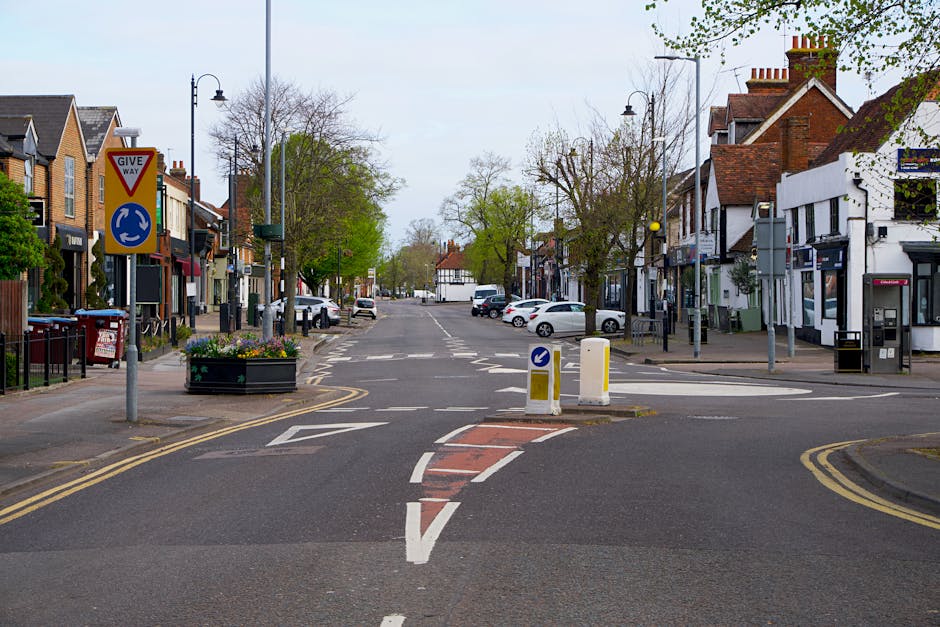
If you are dealing with a pile of unwanted stuff on or near Tring High Street, you probably want two things: a quick solution and no hassle. That is exactly where this Tring High Street rubbish removal local guide comes in. Whether it is a shop refit, a flat clear-out, office clutter, broken furniture, or garden waste after a busy weekend job, the right rubbish removal approach saves time, reduces stress, and helps you avoid the usual awkward bits like access, parking, and sorting what can or cannot be taken.
Truth be told, rubbish removal around a busy high street is a bit different from a typical suburban collection. Space can be tighter. Timing matters more. And there is often a need to work around pedestrians, deliveries, and neighbours who would quite like the pavement kept clear, thank you very much. In this guide, you will find a practical breakdown of how it works, who it suits, what to watch out for, and how to choose a sensible service route without overcomplicating the job.
- Why it matters
- How it works
- Key benefits
- Who needs it
- Step-by-step guidance
- Expert tips
- Common mistakes to avoid
- Tools, resources and recommendations
- Law, compliance and best practice
- Options and comparison
- Real-world example
- Practical checklist
- Conclusion
- Frequently asked questions
Why Tring High Street rubbish removal local guide Matters
High street rubbish removal is not just about getting rid of waste. It is about doing it in a way that fits a live, busy local environment. Tring High Street has the usual realities that come with town-centre spaces: parking constraints, timed deliveries, foot traffic, and nearby businesses that need the area to stay orderly. If waste is left outside too long, it can become unsightly, attract complaints, and create a practical obstruction. Nobody wants that on a busy trading stretch.
For residents, the issue is often simple: bulky items do not fit in the car, and the council collection slot is not always enough. For businesses, the stakes are higher. A cluttered frontage can affect customer experience almost instantly. Even a short-lived pile of packaging or old stock can make a place look untidy. And let's face it, first impressions on a high street do a lot of heavy lifting.
This is why local understanding matters. A good rubbish removal plan takes into account access, speed, discretion, and responsible handling. That can mean everything from separate loading for furniture and appliances to careful disposal of mixed waste. If you also need broader clearance support, it can be useful to look at options like waste removal, house clearance, or office clearance depending on what you are clearing out.
How Tring High Street rubbish removal local guide Works
At a practical level, rubbish removal usually starts with a quick assessment of what needs to go, how much space it takes up, and whether anything requires special handling. That is the bit people often skip, then regret later when a mattress, fridge, and two bags of mixed rubble all turn up together and the job becomes messier than expected. A little planning goes a long way.
Most local rubbish removal jobs follow a simple flow:
- Identify the waste type. Household junk, office clutter, builders' debris, garden waste, or bulky furniture all need slightly different handling.
- Check access. On a high street, loading space, stair access, narrow entrances, and nearby parking can all affect the best approach.
- Separate anything sensitive or restricted. Hazardous materials, electrical items, confidential paperwork, or contaminated waste may need specialist handling.
- Arrange collection or clearance. This might be a one-off lift, a full property clearance, or a larger mixed-waste job.
- Sort for reuse, recycling, and disposal. Good operators separate recyclable items where possible and send only the right material to disposal routes.
In our experience, the smoother jobs are the ones where the customer knows what is being removed before the vehicle arrives. Even if you are not 100% sure, a rough list helps. A couple of photos can be enough for many enquiries, especially if the waste includes awkward items like a sofa, a broken wardrobe, or an old appliance.
If the waste is mainly household clutter, a home clearance or flat clearance approach may be better than treating it as general rubbish. If the job includes old chairs, tables, wardrobes, or soft furnishings, furniture clearance and mattress and sofa disposal can be more appropriate.
Key Benefits and Practical Advantages
The best rubbish removal service is not just about convenience. It is about making a potentially annoying task feel manageable. And on a street like Tring High Street, that practical value is even more obvious because small delays can ripple outward quickly.
- Faster clearances. A good team can remove waste in one visit rather than leaving you to break it down, bag it, and shuttle it elsewhere.
- Less disruption. This matters on busy pavements, shared access points, and tight loading areas.
- Better presentation. Shops, offices, and homes all look more cared for when waste is cleared promptly.
- Safer handling. Heavy lifting, sharp edges, and awkward items are easier to manage with the right process.
- Cleaner sorting. Recycling-friendly handling helps keep usable material out of general disposal streams.
There is also a quieter benefit that people sometimes overlook: peace of mind. When waste is scheduled, lifted, and gone, it stops hanging over you. That half-finished room or blocked corridor becomes usable again. You can breathe a bit easier. Small thing, but it matters.
For business owners, the practical gain is often continuity. If you are clearing stockroom waste, packaging, or old office items, then a well-organised job can keep the day moving. That is one reason some customers compare a one-off clearance with a more regular arrangement like business waste removal or, for occasional larger jobs, builders waste clearance.
Who This Is For and When It Makes Sense
This guide is useful for a fairly wide mix of people, not just one type of customer. If your waste problem is taking up time, blocking access, or making your property feel untidy, it probably belongs in this category.
Typical local scenarios
- High street retailers clearing old shelving, packaging, damaged stock, or refit debris.
- Homeowners and landlords dealing with a garage, loft, or house clear-out.
- Flat residents who need help moving bulky items down stairs or through tight communal areas.
- Offices removing old desks, chairs, filing, or confidential paperwork.
- Tradespeople who need rubble, timber offcuts, or site leftovers cleared quickly.
- People preparing for a move and realising the spare room has quietly become a storage unit. Happens all the time.
It makes sense whenever the waste is too large, too mixed, or too awkward for a normal bin collection. It also makes sense when you need speed. Maybe the shopfront has to look clear by the afternoon. Maybe you have visitors arriving. Maybe the loft is finally being converted and the old stuff has got to go. A practical clearance service is often the simplest route.
For specific item types, dedicated services can be more suitable. For example, a damp fridge or broken freezer is better matched to fridge and appliance removal, while a cluttered shed or neglected side passage may be better handled through garage clearance or garden clearance.
Step-by-Step Guidance
Here is a straightforward way to approach rubbish removal on or around Tring High Street without turning it into a mini project of its own.
1. Make a quick waste list
Write down the main categories: furniture, bagged rubbish, appliances, garden cuttings, builders' rubble, mixed household items, or confidential paperwork. Do not worry about making it perfect. The point is to avoid surprises.
2. Flag anything that needs special treatment
Hazardous products, paint tins, chemicals, batteries, and some electrical items may need separate handling. If there is any doubt, ask before collection. A lot of trouble is avoided right there.
3. Check access and timing
Is there a loading bay? Do you need an early slot before the street gets busy? Will the waste be on the ground floor or up several flights of stairs? These details affect the best clearance plan.
4. Decide whether you need a general or specialist service
A small office tidy might suit office clearance. A full home move-out might need house clearance. A pile of leftover timber and plasterboard probably points towards builders waste clearance.
5. Choose the disposal route that fits the waste
Some jobs are better for a removal team, some for a skip, and some for a mixed approach. If you want to understand what typically belongs in a skip, the page on what can go in a skip is a useful reference point. It helps you judge whether your waste is straightforward or whether it needs a more hands-on collection.
6. Prepare the items
Put loose rubbish into bags, separate reusable items if you want them donated or retained, and make sure walkways are clear. If a cupboard contains personal documents, empty those first. It sounds obvious, but in a busy week it is exactly the sort of thing people forget.
7. Confirm the final scope before collection
On the day, walk through the waste with the collector and make sure the agreed items are clear. A quick five-minute check prevents misunderstandings, especially when a "small pile" has somehow become a "substantial pile" by the front door.
Expert Tips for Better Results
These are the small things that make the whole process smoother. They are not dramatic, but they save time, money, and a fair bit of irritation.
- Group similar materials together. Wood, cardboard, metal, and general waste are easier to assess when they are separated.
- Keep access paths wide and clear. Even one awkward chair in a corridor can slow everything down more than you would expect.
- Photograph the waste before collection. A couple of clear photos help with quoting and avoid confusion.
- Be honest about volume. Understating the amount of waste is a quick route to a longer, less tidy conversation later.
- Plan around peak times. If the high street is busy around lunchtime or school pickup, an earlier collection may be easier.
- Ask about recycling and item handling. Good providers are usually happy to explain what happens to mixed waste.
One useful habit is to ask yourself: if this were all piled in the middle of the room, what would I actually want gone first? That question cuts through indecision very quickly. Also, keep an eye out for items that can be reused or passed on. A solid table is not the same as a broken one, after all.
If your clearance includes soft furnishings or large household pieces, it can be worth checking dedicated services such as furniture disposal or furniture clearance. You do not want to pay for a general job if a more specific route would be neater.
Common Mistakes to Avoid
People usually do not make mistakes because they are careless. More often, they are trying to be efficient and end up missing a detail. Very normal.
- Leaving it until the last minute. That is when access, timing, and sorting become much harder.
- Mixing restricted items with general waste. This can delay collection or require a separate process.
- Guessing the volume too low. It is better to be roughly accurate than unexpectedly optimistic.
- Blocking shared entrances or pavements. On a high street, this can create immediate problems for neighbours and passers-by.
- Forgetting about paperwork or personal items. Especially in offices, lofts, and garages. Bits hide in drawers, bags, and under boxes.
- Choosing a service without checking what it actually takes. For example, a standard rubbish collection may not be the best fit for electricals, appliances, or certain waste types.
To be fair, the most common problem is not the waste itself. It is the assumption that "it will probably be fine." Sometimes it is. Sometimes it really is not. A little caution saves a lot of backtracking.
For potentially sensitive or regulated items, take extra care. Confidential paperwork may need confidential shredding. Higher-risk materials may belong under hazardous waste disposal. If in doubt, slow down and check.
Tools, Resources and Recommendations
You do not need a truckload of equipment to get organised. A few simple tools are usually enough for a cleaner, safer, more efficient clearance.
- Heavy-duty bin bags or sacks for loose waste and small mixed items.
- Marker pen and labels to identify items for keeping, donating, recycling, or disposal.
- Tape measure for checking bulky furniture, stair widths, or doorway clearance.
- Phone camera to document the load and help with estimates.
- Gloves and sturdy shoes for safe sorting before collection.
- Basic dismantling tools if you are removing flat-pack furniture or taking apart awkward items.
From a planning perspective, it can also help to compare the different service routes on the site before booking. For instance, pricing and quotes is useful if you want to understand how jobs are usually priced, while recycling and sustainability is a good read if responsible disposal matters to you. If your job involves a property-wide clear-out rather than just a few bags, the range of home clearance and loft clearance options may be more suitable than a one-off lift.
And yes, if the job is really just a single appliance, use the appliance page. If it is a van-load of mixed household clutter, use the service that fits the actual task. Simple, but worth saying.
Law, Compliance, Standards, or Best Practice
When rubbish removal is involved, good practice matters because the waste does not simply disappear. It needs to be handled, transported, and disposed of properly. In the UK, that generally means using a responsible operator, keeping waste separated where possible, and making sure restricted items are managed with care. This is especially important where business waste, electrical items, sharp materials, or potentially hazardous substances are involved.
You do not need to become an expert in waste law to make a sensible choice, but it helps to know the broad principle: if you produce the waste, you still have a responsibility to be careful about where it goes. That is why clear communication, item identification, and reputable collection practices matter. On a busy high street, it is also important that waste does not obstruct walkways or create avoidable risks for the public.
Best practice usually includes:
- describing the waste accurately before collection;
- separating hazardous or special items where required;
- keeping access routes safe and clear;
- using a provider that explains its disposal approach clearly;
- retaining any documentation or booking records you are given.
If you are dealing with business premises, the expectations can be a little stricter in practice because you may need waste removed without disrupting trade, staff access, or customer flow. That is where a service with a sensible approach to timing, safety, and professionalism becomes valuable. The supporting pages on health and safety policy, insurance and safety, and payment and security can also help build confidence before you book.
Options, Methods, or Comparison Table
There is no single perfect method for every job. The right option depends on what you are removing, how quickly it needs to go, and how much access you have. Here is a simple comparison to make the decision easier.
| Option | Best for | Pros | Watch out for |
|---|---|---|---|
| General rubbish removal | Mixed household or light commercial waste | Flexible, quick, minimal sorting stress | May not suit special items or very bulky loads |
| Furniture-focused clearance | Old sofas, wardrobes, tables, beds | Good for bulky items and room clear-outs | Check if some items need separate handling |
| Builders' waste clearance | Renovation debris, timber, rubble, site waste | More suitable for trade-style waste | Hazardous or restricted materials may need a different route |
| Skip-based approach | Longer jobs where waste can be contained on site | Useful for ongoing projects | Needs space and the right contents rules |
| Full property clearance | House, flat, loft, garage, or office clean-outs | Handles large volumes and mixed items | Requires clearer planning and more time |
For a lot of people on Tring High Street, the decision comes down to space and speed. If you have nowhere practical to keep a skip, or you need everything removed in one go, a clearance-based service is often easier. If the job is slower and more contained, comparing it with skip contents guidance can help you decide whether a skip or a collection is the better fit.
Case Study or Real-World Example
Here is a realistic example. A small independent shop on a narrow stretch of High Street has just finished a display refresh. Out go a couple of old shelving units, broken cardboard cartons, packaging from new stock, and one awkward chair that has lived behind the counter for years and never quite made it into the conversation until now.
The shop owner does not want waste sat outside all morning. Fair enough. Customers are due, deliveries are expected, and the front entrance needs to stay clear. The sensible route is to group the waste by type, check access for loading, and arrange a collection that can lift everything in one visit. A few photographs help the team estimate the amount more accurately, and any confidential papers are removed beforehand.
What made the job work smoothly was not magic. It was just preparation:
- items were stacked neatly;
- the side access was kept open;
- the owner flagged one damaged appliance separately;
- the collection time avoided the busiest part of the day.
That sort of job is common enough, and the lesson is simple. The less guessing at the door, the easier everything becomes. A noisy high street at 10 a.m. is not the best place to discover you forgot to move half the stockroom. Ask me how we know... well, no need, really.
Practical Checklist
Use this before arranging your clearance. It keeps the job tidy from the start.
- List the main waste items.
- Separate furniture, appliances, rubble, and general rubbish.
- Remove anything confidential, hazardous, or personal.
- Measure bulky items and check access points.
- Decide whether you need house, flat, office, garden, or builders' clearance.
- Take a few clear photos for reference.
- Keep pathways and entrances clear for collection.
- Confirm the collection time and what is included.
- Ask how the waste will be handled, especially for recycling or restricted items.
- Keep your booking details and any notes in one place.
That is the whole game, really. A little organisation now saves a lot of faffing about later.
Conclusion
Tring High Street rubbish removal works best when it is treated as a practical local job, not just a pile of stuff to disappear. Think access, timing, waste type, and how much disruption you want to avoid. Once you get those basics right, the process becomes much more manageable, whether you are clearing a shopfront, a flat, an office, or a home that has simply accumulated too much over time.
The main thing to remember is this: the best result usually comes from clear information and the right service match. If your load is bulky, mixed, or time-sensitive, a proper clearance route is often easier than trying to force everything into a one-size-fits-all approach. And if you are still unsure, that is normal. Most people are. Start with the waste list, then work forward from there.
Get a free quote today and see how much you can save.
When you are ready, a calm, well-planned clearance can make a busy street feel a little easier to deal with. Sometimes that small bit of order is exactly what a hectic week needs.
Frequently Asked Questions
What is the best rubbish removal option for Tring High Street?
The best option depends on the waste type and access. For mixed items and bulky loads, a collection-based clearance is often easier than trying to use a skip on a tight street.
Can I remove furniture and general rubbish in one job?
Yes, often you can. A mixed clearance is common, though it helps to group furniture separately so it is easier to assess and handle safely.
Do I need to sort my waste before collection?
Some sorting is helpful, but it does not need to be perfect. Separate anything hazardous, confidential, or especially valuable before the team arrives.
Is rubbish removal suitable for flats and upper-floor properties?
Yes. Flat clearances are common, especially where stairs, shared entrances, or limited lift access make DIY removal awkward.
What if I have an old fridge or other appliance?
Appliances are usually better handled through a dedicated appliance removal service, because they may need careful loading and separate processing.
Can business waste be collected from a shop on the High Street?
Yes, and that is often exactly the kind of job a business uses rubbish removal for. Timing and access matter most, especially during trading hours.
How do I know if I need builders' waste clearance?
If the waste comes from renovation, rip-out, or construction work, builders' waste clearance is usually the better fit. It is designed for heavier, trade-style material.
What happens to the rubbish after it is collected?
It is usually sorted for reuse, recycling, and disposal where possible. The exact process depends on the waste type and the provider's handling procedures.
Can I put everything in one pile and leave it outside?
You can sometimes stage items outside for collection, but only if it is safe, permitted, and does not block public access. On a high street, clear placement is especially important.
Are hazardous items accepted with general waste?
No, not usually. Hazardous items often need special handling, so it is best to flag them in advance rather than mixing them into a normal load.
How do I get a more accurate price?
Provide a clear list of items, a few photos, and details about access. That usually helps a quote feel much more realistic and avoids surprises.
What should I do if I need ongoing waste support for a business?
If your business produces waste regularly, a dedicated business waste arrangement is often more practical than repeated one-off collections. It keeps things predictable and cleaner over time.
Is recycling taken seriously in local rubbish removal?
It should be. Good practice is to separate recyclable material where practical and reduce what ends up in general disposal. If sustainability matters to you, ask about it before booking.
What is the simplest first step if I am overwhelmed?
Make one short list of what needs to go and take a few photos. That alone turns a vague mess into something you can actually plan around. And that is usually the turning point.